


How an orthopaedist sees Paidoria
 MUDr. Vladimír Popelka orthopaedist
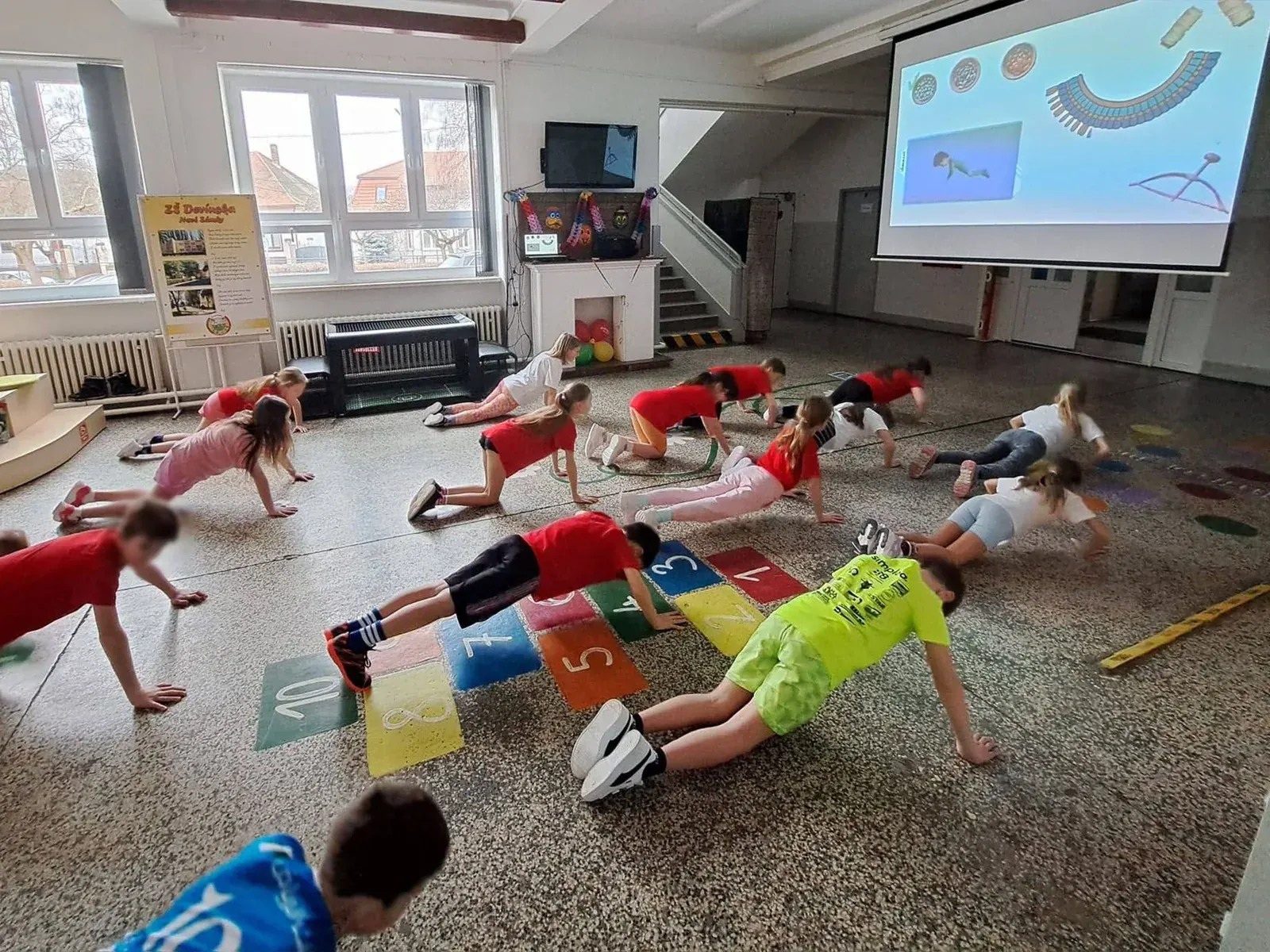
 Well-chosen movement breaks have their place at home and at school, where children spend a lot of time sitting.
The statement covers both what the author values in Paidoria and what to watch out for when exercising.
Read the full statement Hide the statement 2 min
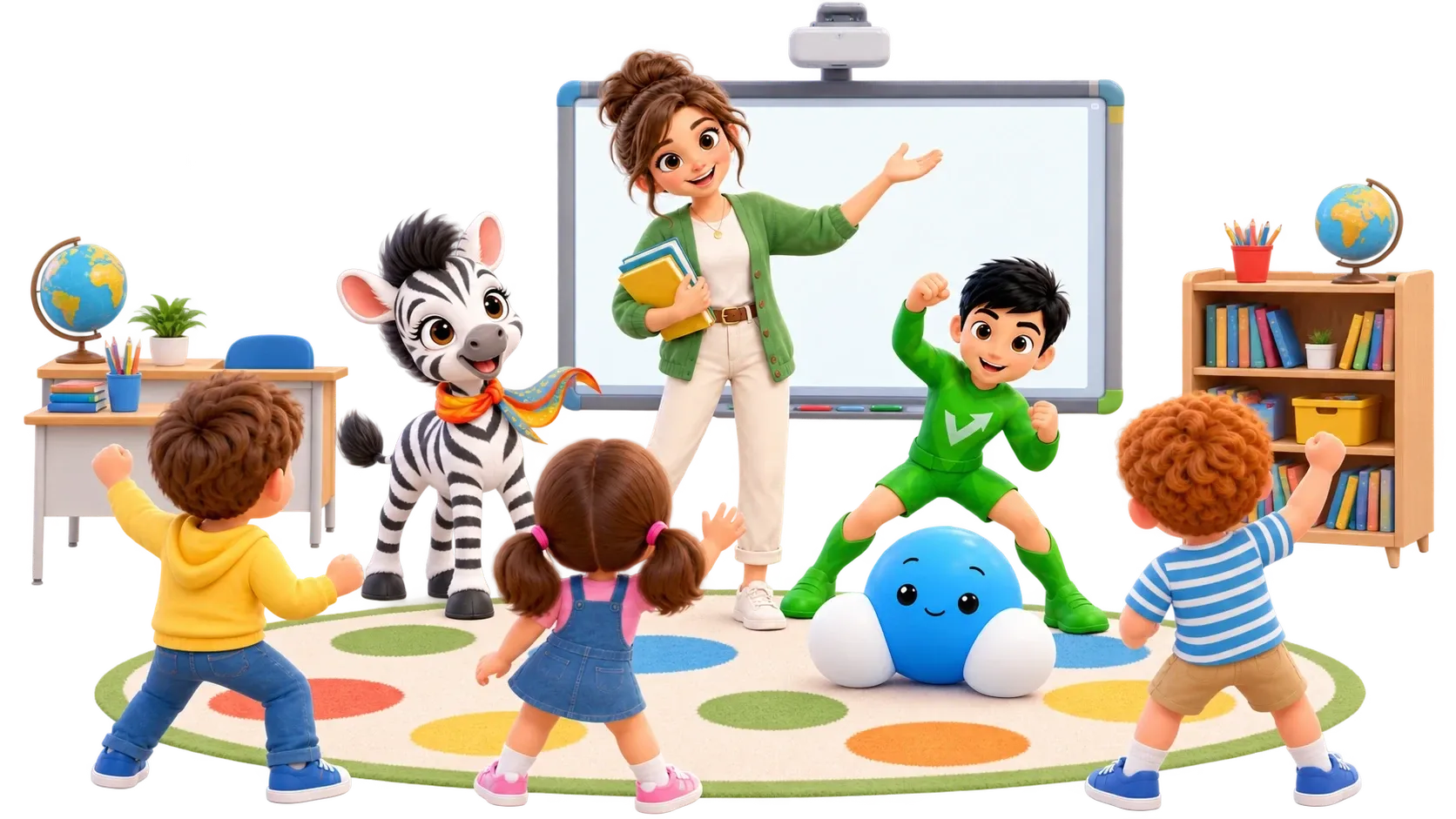
As an orthopaedist, I consider regular movement to be one of the most important parts of a child’s healthy development. Today, however, it is not enough just to tell children that they should move more. They need an activity that captures their interest and that they will want to come back to. That is exactly why I was drawn to the concept of Paidoria, which combines fairy-tale stories with movement and learning. The child becomes part of the plot and the exercise gains a concrete purpose – it helps the heroes overcome obstacles and moves the story forward.
I see the greatest value in motivation. Even a well-designed exercise is of limited use if the child does not want to do it or does not stick with it. For parents, it can be challenging to persuade a child to exercise every day. A playful form can make this situation easier. If a child sees movement as part of an adventure, they may take part in it more willingly and gradually develop a positive relationship with regular activity.
From the perspective of the musculoskeletal system, I appreciate the possibility of fitting exercise into an ordinary day, even in shorter blocks. Well-chosen movement breaks have their place at home and at school, where children spend a lot of time sitting. They can be an opportunity to practise coordination, balance, mobility and body awareness. What is important here is that the exercises suit the child’s age and abilities and that the child performs them correctly. I consider the quality of movement more important than the number of repetitions or the speed at which a task is completed.
I also view positively the possibility of tailoring the choice of exercises to a specific child. Two children of the same age need not have the same fitness, motor skills or health-related capabilities. Here I see room for cooperation between the parent and an orthopaedist or physiotherapist. A specialist can recommend suitable content, and Paidoria can help with what is often the hardest part of exercising at home – keeping the child interested and the exercise regular.
When using it, I would recommend that parents pay attention to how the child exercises. Especially with younger children, it is advisable for an adult to be present, to make sure there is enough space and to help with performing the movement. Exercise should be appropriate and should not cause pain. In the case of pain, limping or a known orthopaedic diagnosis, the choice of activities needs to be the subject of individual consultation.
I see Paidoria as a meaningful addition to everyday physical activity. It can bring variety to activities at home and at school and help reach children who are less willing to join in ordinary exercise. In the case of specific diagnoses, such as scoliosis or foot deformities, however, a specialist examination and individually managed treatment must remain the basis. The concept of the app alone is not enough to assess its therapeutic effect.
What I value most about this project is the effort to bring movement closer to children in a way they understand. If it helps them get moving regularly, experience the joy of their own movement and carry this relationship over into outdoor play or sport, I consider that, from my perspective as an orthopaedist, a valuable contribution.
MUDr. Vladimír Popelka, orthopaedist
Paidoria is not a medical device and does not replace professional care.